
Ghana news briefing
Eurobond borrowings over 2007-2021 used for budget financing; Ghana borrowed US$15.59bn – Opoku-Afari

Between 2010 and 2019, Ghana was widely regarded as one of Africa's strongest eight economic performers The economy recorded sustained, albeit volatile, growth, successfully completed an IMF-supported reform programme, modernised a Public Financial Management framework anchored by fiscal rules, strengthened debt management institutions, and consistently received Debt Sustainability Analyses from the IMF and World Bank that did not signal an imminent sovereign debt crisis.
Opoku-Afari who is a Non-Resident Fellow of Finance for Development Lab said Ghana’s public debt had surged from about 63% of Gross Domestic Product (GDP) in 2019 to about 93% by the end of 2022 at the time of the IMF-supported programme approval in 2023, adding, the headwinds of fiscal and balance of payments made it difficult for the government to service its debt and forced technical default.
Opoku-Afari who was a mission chief at the International Monetary Fund continued that the IMF-supported programme over 2015–2019 did not fundamentally alter Ghana’s underlying fiscal and structural constraints despite narrowing of trade and budget deficits.
This is a summary of the original articles listed below. Always read the source articles for the full context. GhanaSummary does not create or modify the news — we summarise and link to original publishers.
Original sources
1 reportsMore stories
View all news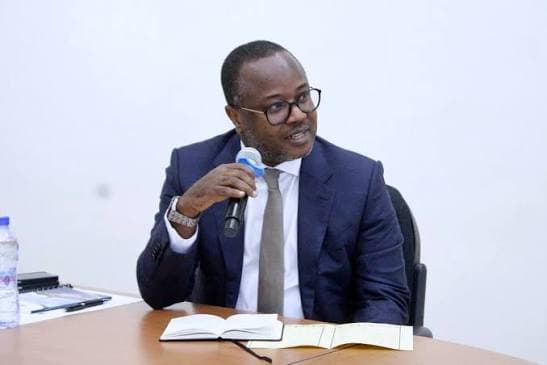
Ghana’s output expansion largely driven by labour, capital rather than innovation – Opoku-Afari
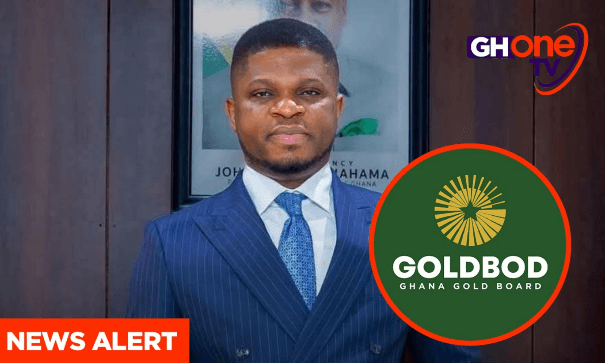
“Invite me to Parliament” – Sammy Gyamfi dares Afenyo-Markin over GoldBod loss claims
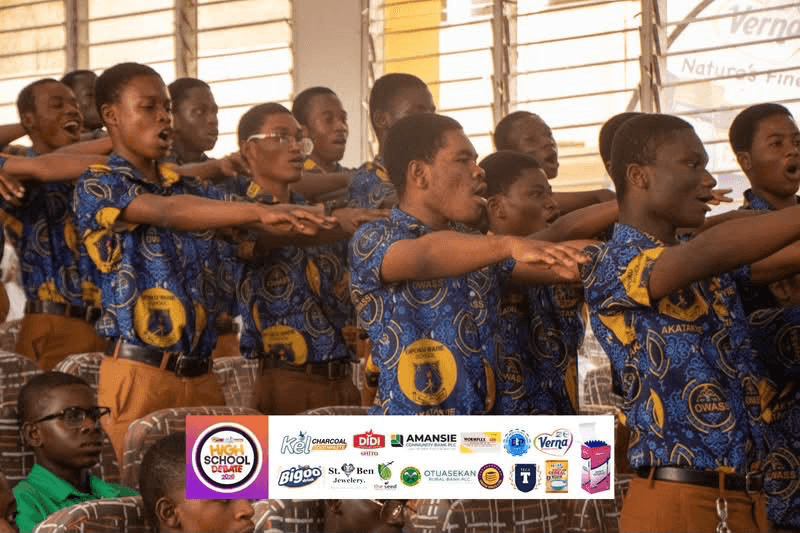
LUV FM High School Debate: Opoku Ware and St. Hubert Seminary book quarterfinal spots
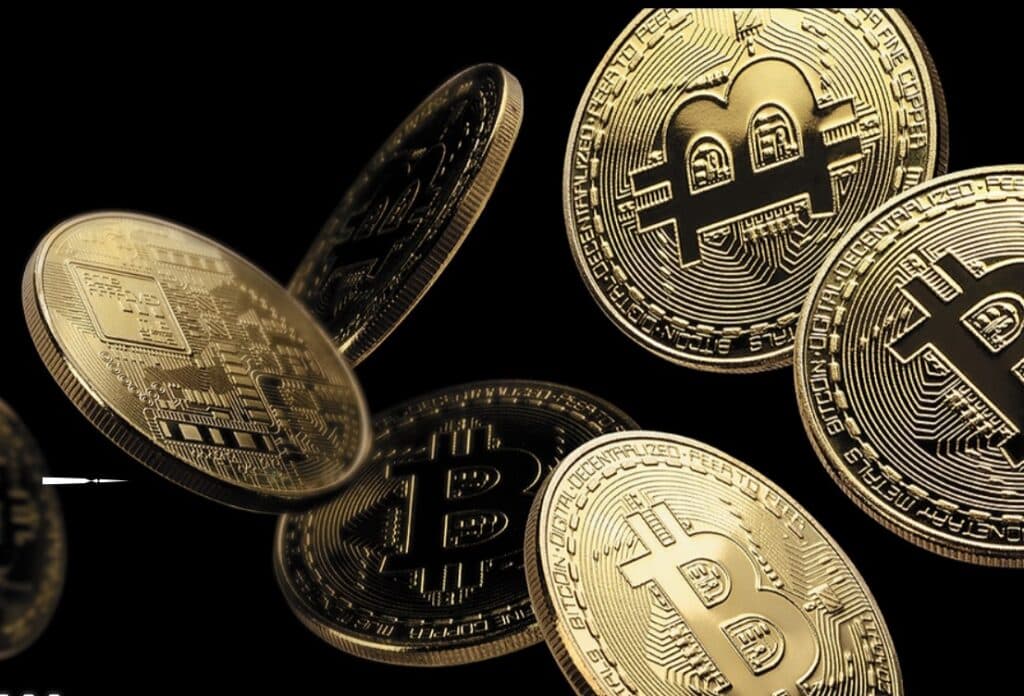
Trump calls for Congress to pass crypto bill at White House event
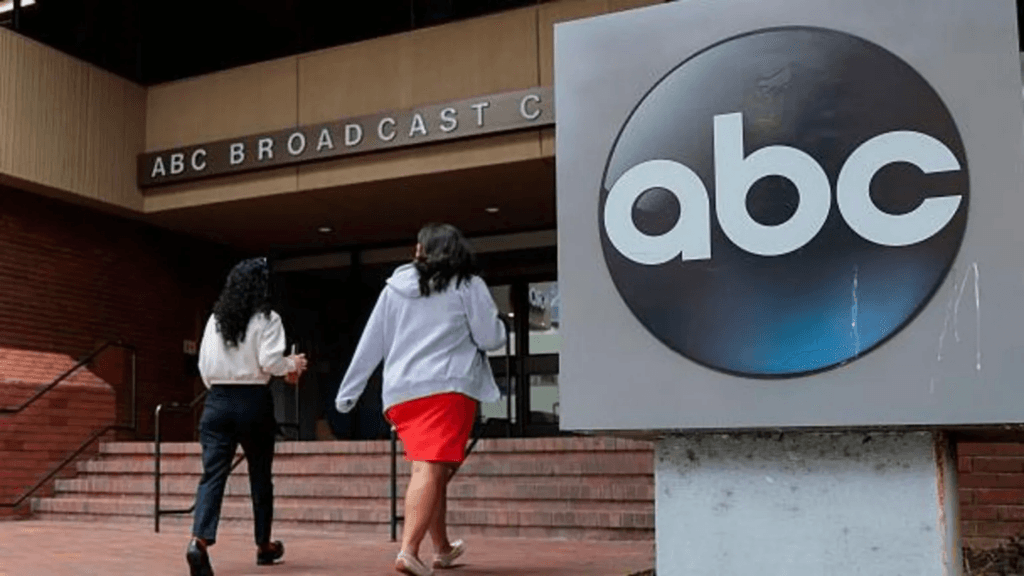
ABC says intimidation by Trump’s FCC forced programming changes

Uber launches autonomous rides in Zagreb, its first in Europe
Watch related
All videos

Don’t stop here